Probabilistic Certification
Probabilistic certification is a powerful concept that enables to free the imagination in the design step and to definitively move away from proof-oriented control design where a ton a assumptions are accumulated for the results to hold. This section shows different use-case of this concept in many control-related problems.
Certification and optimal MHE design
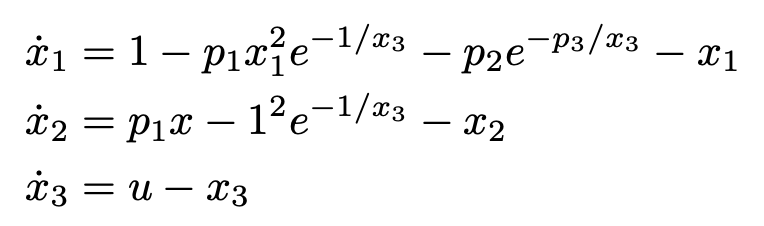
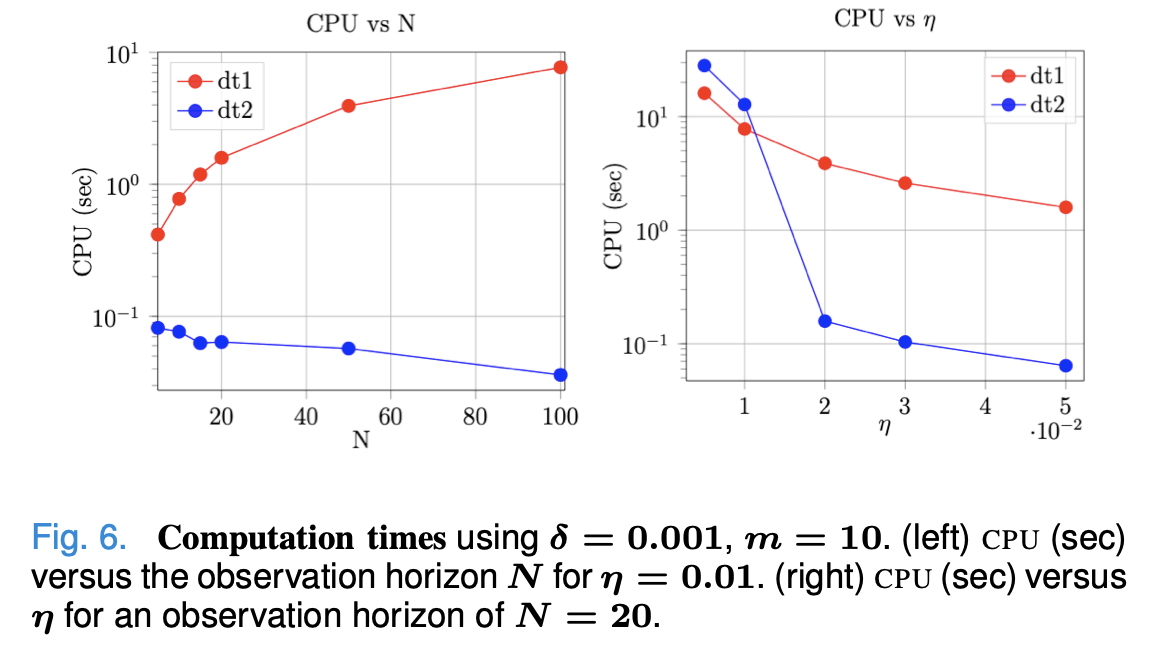
This paper addresses the observability anal- ysis and the optimal design of observation parameters in the presence of noisy measurements and parametric uncer- tainties. The notion of almost e-observability is introduced and a systematic procedure to assess its satisfaction for a given system with a priori known measurement noise statistics and parameter discrepancy is sketched. More- over, the concept of observation-target quantities is intro- duced in order to analyze the precision with which specific chosen expressions of the state and the parameters can be reconstructed. The overall framework is exposed and validated through an illustrative example.






For more details, refer to the [paper].
Certified feedback law for propofol-based control during anesthesia
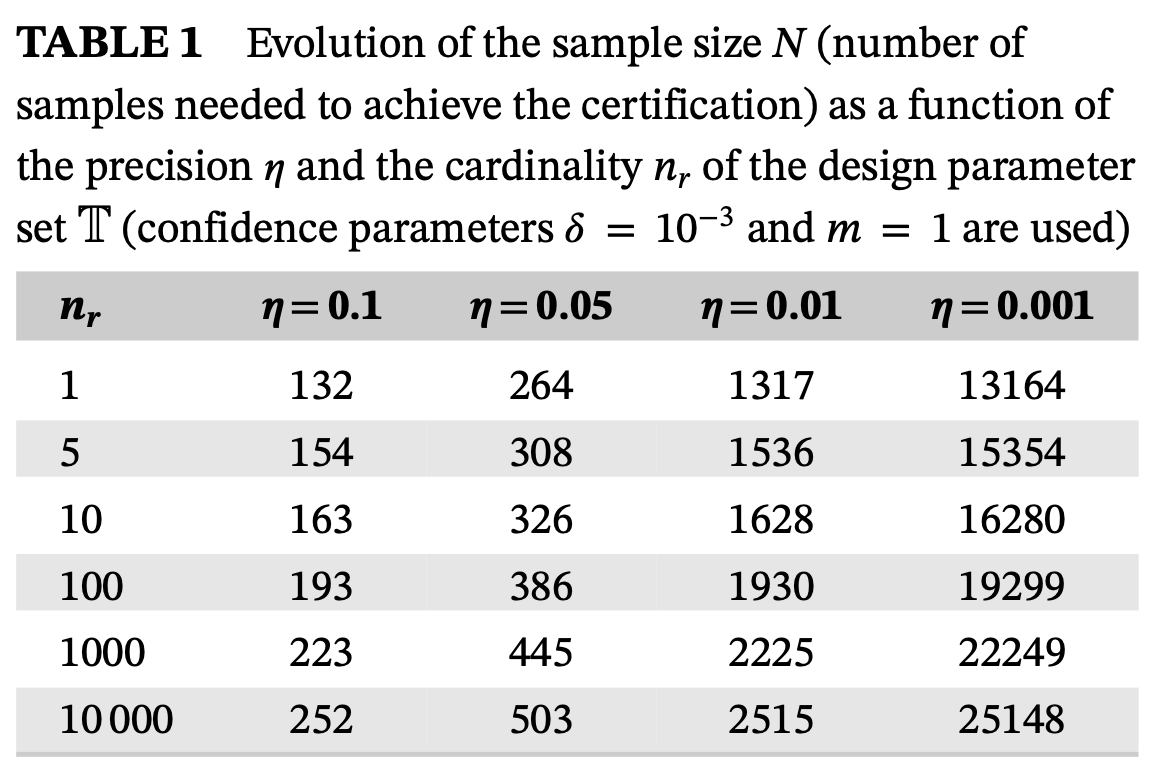
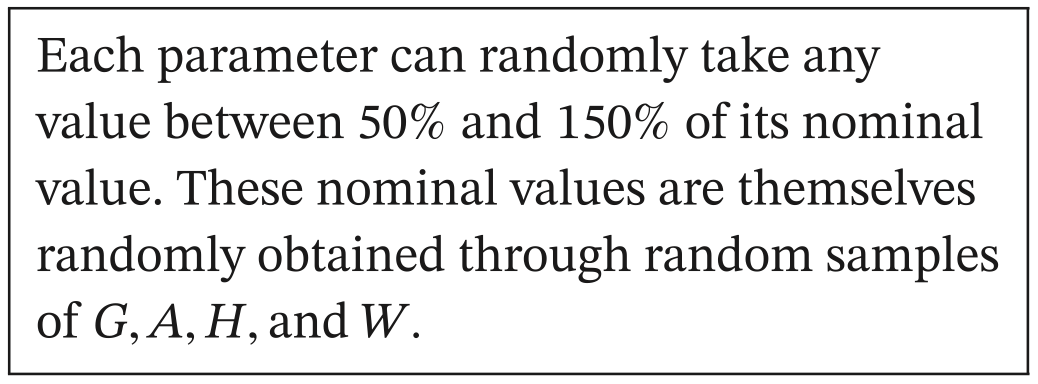
This paper proposes a new control strategy for Propofol injection during anes- thesia in patients undergoing surgery and where the Bispectral Index (BIS) is considered to be the regulated variable. The proposed control shows the nice fea- ture of being completely independent of the knowledge of the pharmacokinetics that govern the diffusion of the drug. This paper also proposes a certification framework that gives a probabilistic guarantee regarding the containment of the BIS inside the desired interval as well as for the time needed for the BIS to be steered to this interval. Moreover, this certification is given for realistic (and hence very high) level of uncertainties on the parameters that define the unknown-to-the-controller dynamics. This last feature is checked using a widely employed model.
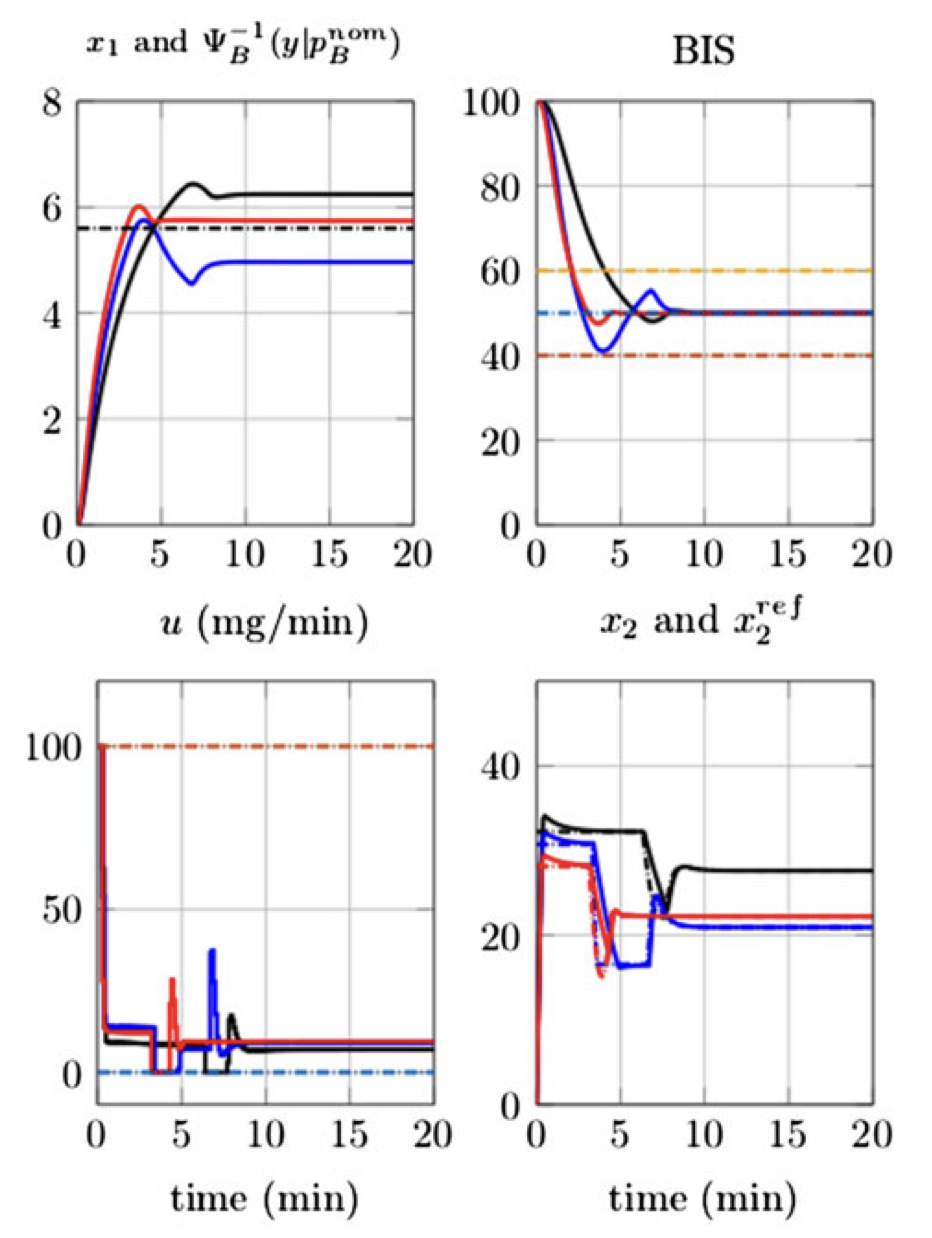
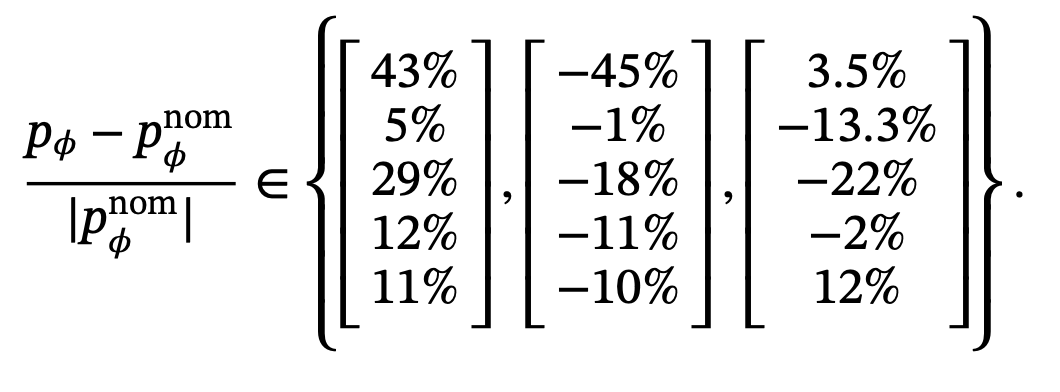
For more details, refer to the [paper].
Certified QoS of an EV charging station
Electric vehicle charging stations (EVSs) come along with great challenges for the power grid due to their highly uncertain load characteristic. This is particularly the case for charging stations located in nonresidential areas, such as commercial centers, company sites, or car-rental stations. For a safe and sustainable operation of the power grid, distribution system operators require reliable load forecasts of such charging stations. In this brief, a robust EVCS management strategy is proposed, which provides a day-ahead upper limit profile of the EVCS’s power consumption. In real time, this upper limit profile is strictly respected while guaranteeing—at a configurable probability—the Quality of Service. The strategy is based on randomized algorithms and relies on a statistic occupancy model of the EVCS while not requiring any online forecasts of each EVs’ arrival and departure schedules. In a case study based on statistic data, which has been provided by the Euref Campus in Berlin, the feasibility and relevance of the proposed approach are demonstrated.

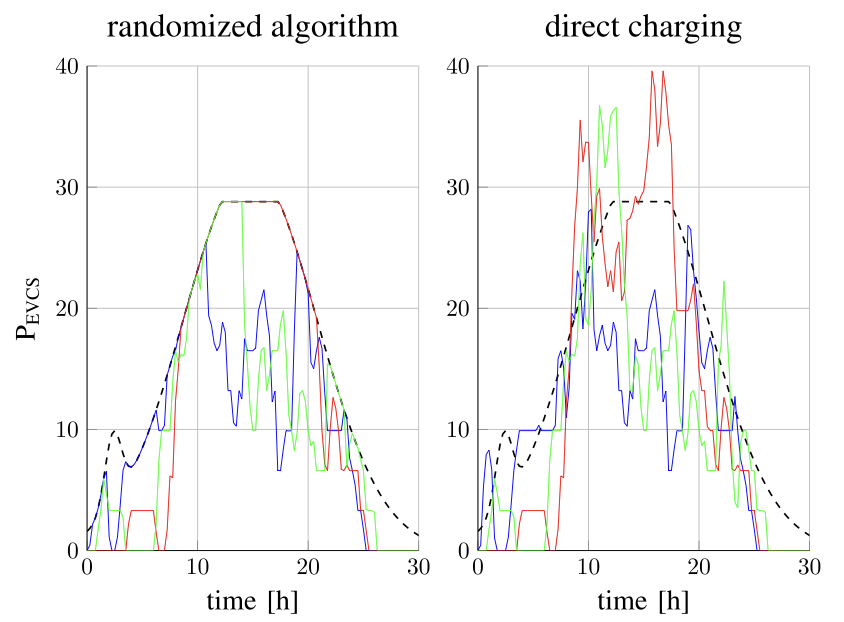
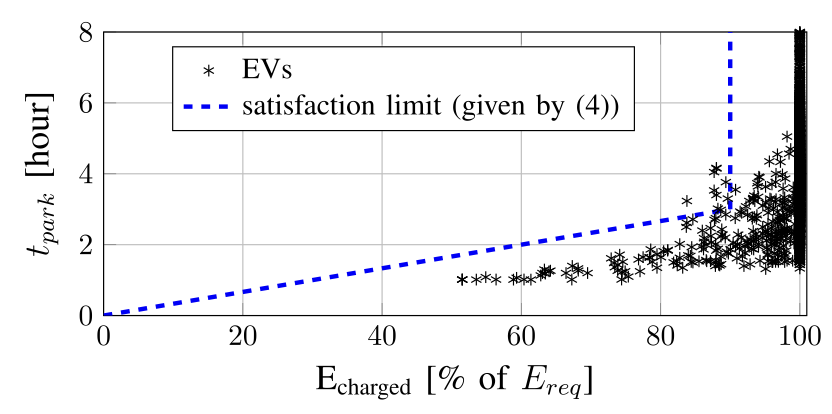
For more details, refer to the [paper].